ViR-AL® Training Programs

Training that turns knowledge into practical capabilities.

Practical and adaptable learning programs in project management, Agile, leadership, customer experience and emerging ways of working. For companies, training providers, universities and professional communities.

What this service is for

For learning programs that need to become usable in real work.

Many training programs provide useful content but leave participants alone when they return to real projects, decisions and organizational constraints.

ViR-AL® Training Programs are designed to reduce the distance between classroom learning and professional application through practical examples, facilitated discussion, exercises, reflection and action planning.

This service can support you when you need:

Good training does not end when the session ends. It starts working when people return to their context.
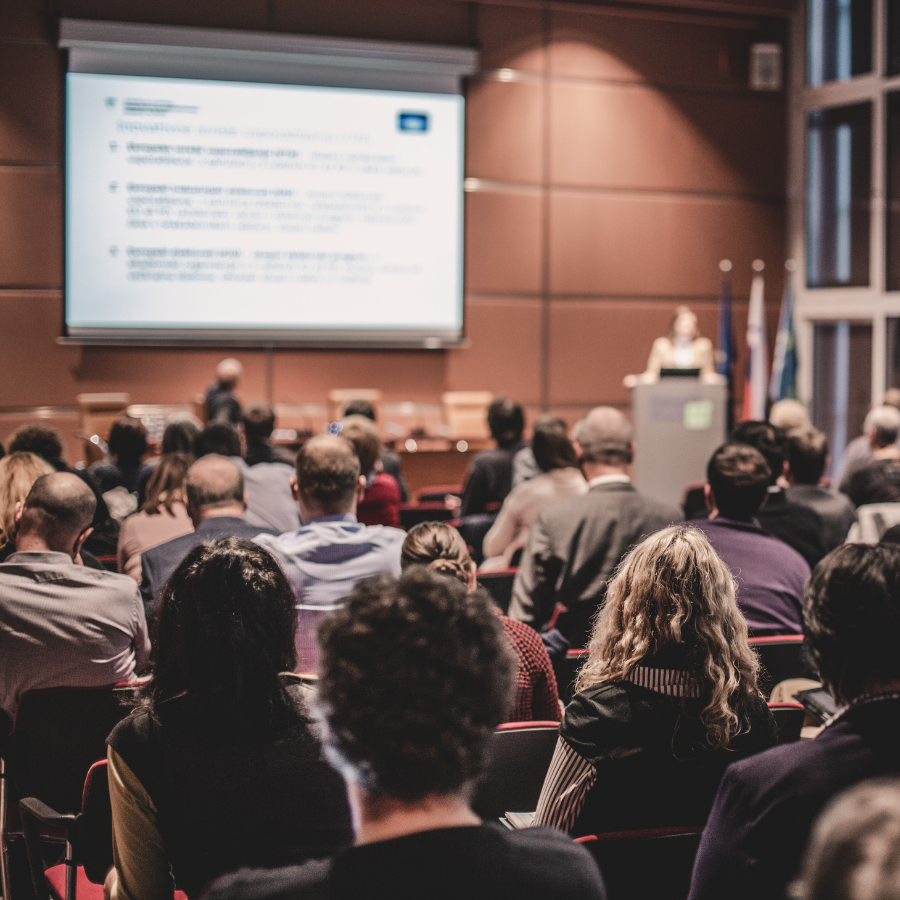
Training01

Key training areas

ViR-AL® Training Programs cover different professional capability areas and can be adapted to your needs.

Project Management & PMI Exam Preparation

Explore this area
Practical training in project management principles, methods, tools and behaviours. Topics may include planning, risk, stakeholders, governance, execution, monitoring, change control and project closure. The focus is on structuring work, improving project visibility and managing delivery with confidence.

Agile and Hybrid Ways of Working

Explore this area
Practical training on Agile principles, Scrum, Kanban and hybrid delivery. Topics may include roles, ceremonies, backlog management, prioritization, estimation, planning, metrics and continuous improvement. The focus is on applying agility meaningfully to improve collaboration, learning and adaptation.

Leadership, Stakeholders and Human Skills

Explore this area
Practical training on stakeholder engagement, communication, influence, feedback, conflict, psychological safety, leadership, team dynamics and decision-making. The focus is on managing relationships, conversations and responsibilities in complex environments.

Customer Experience and Process Thinking

Explore this area
Practical training on customer experience, service quality, journey mapping and the link between internal processes and external experience. Topics may include touchpoints, pain points, service improvement, customer feedback, and related areas. The focus is on understanding how internal decisions and behaviors shape CX.

AI, Digital Change and Process Readiness

Explore this area
Practical training on AI, automation and digital tools. Topics may include use cases, process readiness, risks, governance, adoption challenges and human judgment. The focus is on moving beyond hype and understanding what must be in place for technology to create value.

Customized Learning Paths

Explore this area
Tailored training journeys designed around organizational needs, audience profiles and learning outcomes. Formats may include multi-day programs, short modules, blended learning, workshops and more. The focus is on creating a solution that fits the context rather than applying a generic course structure.

The topic matters. The transfer into practice matters more.

Main Training Programs

ViR-AL® Training Programs can be delivered as tailored learning paths, corporate courses, professional programs or certification preparation journeys.

The programs below represent some of the most requested areas of training and can be adapted to different audiences, formats and levels of experience.

Training is most effective when participants recognize their own challenges inside the learning experience.

How the learning program is developed

Practical, structured and adaptable learning experiences.

Training programs can be designed as standard courses, customized modules or broader learning journeys.

The format depends on the audience, the topic, the expected outcomes and the level of practical application required.

1. Clarify the learning need

Define the audience, organizational context, expected outcomes and practical challenges the program should address.
Before designing or delivering a program, we clarify the learning need, the audience profile, the context and the expected outcomes. This helps avoid generic training and creates a stronger link between content, participants and organizational priorities.

2. Adapt to the audience

Connect examples, language, cases and activities with the participants’ roles and experience.
The same topic can be delivered differently depending on the participants. A project management session for junior professionals is different from a session for executives, trainers, technical experts or cross-functional teams. The content remains structured, but the examples, depth and exercises are adapted to the context.

3. Design the learning journey

Select the content, sequence, format, exercises and level of customization required.
The program is structured around clear objectives, logical progression, practical examples and moments of application. Depending on the topic, the design can include cases, simulations, exercises, reflection questions, group work, templates, discussions and transfer activities.

4. Deliver and facilitate

Combine clear explanations with discussion, exercises, simulations and collaborative work.
Training can be delivered in person, online or in blended format. The style is interactive and practical, with a balance between concepts, examples, discussion and application. The goal is to keep participants engaged while giving them tools and perspectives they can actually use.

5. Practice and reflect

Use exercises, simulations and facilitated reflection to help participants apply concepts, examine decisions and learn from experience.
Participants are encouraged to connect the content with their own projects, teams, stakeholders, customers or organizational challenges. This is where the ViR-AL® lens becomes useful: it helps participants see the relationships between methods, decisions, people and context.

6. Reinforce transfer into practice

Help participants identify how they will apply the learning after the program.
Where useful, training can include action planning, follow-up sessions, practical assignments, templates or reflection activities. This helps the learning continue beyond the session and increases the chance that participants apply what they have learned.
A training program should be designed around what participants need to do differently after the course.

Let’s design the right learning experience

If you are planning a course, building a learning path, supporting a team or looking for a trainer for your organization, we can start by clarifying the learning need.

You can share the audience, topic, expected duration, format and objectives.

If the need is not fully defined yet, we can shape it together.

Clarity creates direction. Coherence turns it into action.
Profile-picture-Perez